
When to Use Progressive Cavity Pumps & How They Work
Progressive cavity pumps are essential in many industries. They excel in handling thick fluids and slurries. These pumps are known for their unique design and efficiency.
Understanding when to use them is crucial. They offer steady, non-pulsating flow, which is vital for specific applications. This makes them a preferred choice for many engineers.
Their ability to handle shear-sensitive materials sets them apart. They are versatile and can be customized for various needs. This adaptability makes them suitable for diverse industrial settings.
However, like any technology, they have pros and cons. Knowing these can help in making informed decisions. This guide will explore their applications, functionality, and benefits.
Whether you’re in wastewater treatment or food processing, understanding these pumps is beneficial. Let’s dive into the world of progressive cavity pumps.
What Is a Progressive Cavity Pump?
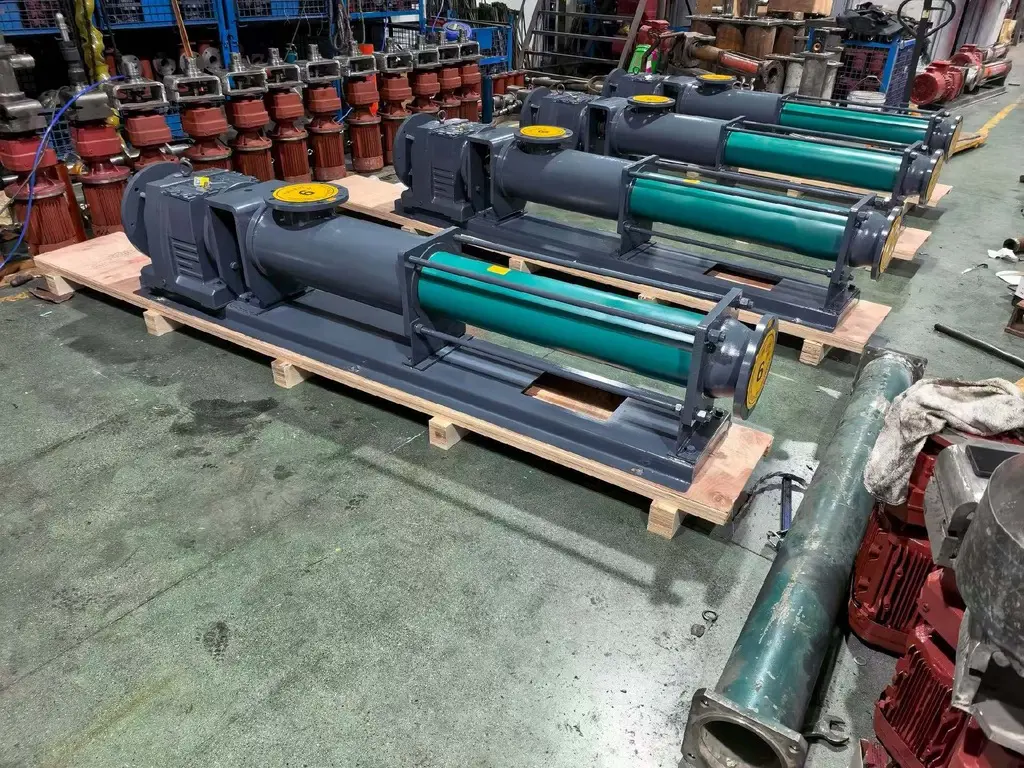
A progressive cavity pump is a type of positive displacement pump. Its design involves a helical rotor and stator. This setup enables it to move fluids through cavities.
These pumps are highly effective for moving viscous and abrasive materials. Their mechanism allows precise control over the flow. This ensures consistent performance across various applications.
Key characteristics of a progressive cavity pump include:
- Steady and non-pulsating flow
- Ability to handle high-viscosity fluids
- Suitable for shear-sensitive materials
Engineers choose these pumps for their versatility and reliability. They’re commonly used in industries like oil, gas, and food processing. Understanding these features helps in selecting the right pump for specific needs.
How Do Progressive Cavity Pumps Work?
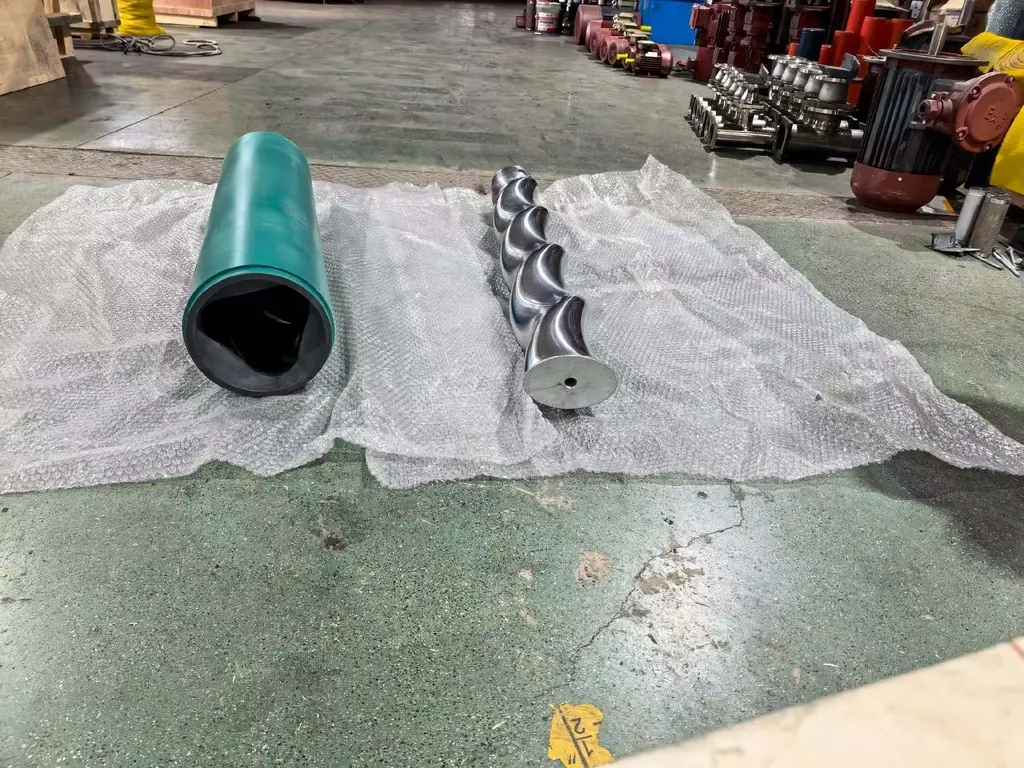
Progressive cavity pumps operate by employing a unique rotor-stator system. The rotor is a screw-shaped component that rotates inside the stator. The stator is a fixed housing with corresponding helical cavities.
When the rotor turns, it forms a series of sealed cavities. These cavities move fluid smoothly from the pump’s inlet to the outlet. This mechanism ensures a continuous and uniform flow of fluid.
The pump’s design allows it to handle a wide range of materials. It can efficiently transfer shear-sensitive and abrasive fluids. Additionally, it can manage large solid particles and high-viscosity substances.
Key operational features include:
- Minimal pulsation and turbulence
- High suction capability
- Precision in dosing and flow control
This technology is especially beneficial for industries requiring precise fluid handling. Its ability to minimize shear makes it ideal for delicate materials. Understanding this operation is crucial for optimizing pump performance.
Key Applications for Progressive Cavity Pumps
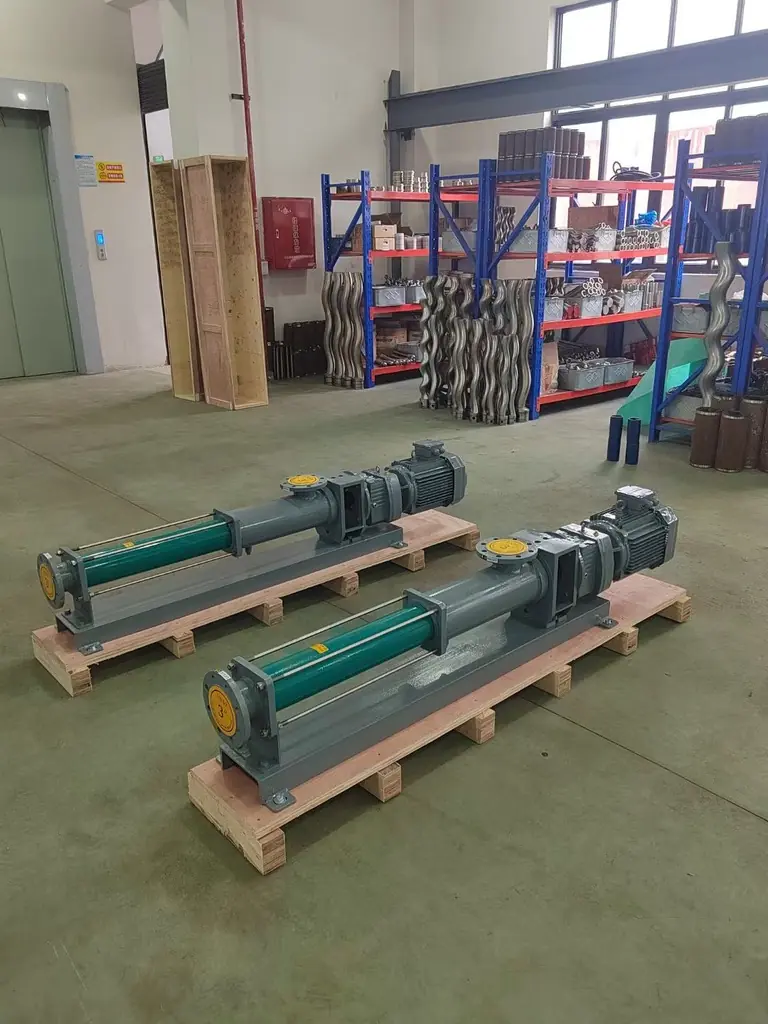
Progressive cavity pumps find widespread use in diverse industrial sectors. Their versatility allows them to transfer a wide array of fluids. They are particularly valuable in industries with specific fluid transfer needs.
In wastewater treatment, these pumps handle sludge efficiently. Their ability to manage high solid content prevents clogs and downtime. The continuous flow ensures effective treatment processes.
The oil and gas industry benefits from their high-pressure capabilities. Progressive cavity pumps transfer crude oil and other viscous fluids. Their precision supports efficient and accurate flow management.
In food processing, they handle viscous products like syrups and sauces. The gentle pumping action prevents damage to delicate food items. This is essential for maintaining product quality and consistency.
Common applications include:
- Wastewater treatment for sludge management
- Oil and gas sector for crude oil transfer
- Food processing for syrups and sauces
- Pulp and paper industry for slurry handling
Their ability to adapt to various viscosities and solids makes them indispensable. These applications highlight their crucial role in industrial operations.
Progressive Cavity Pump Advantages and Disadvantages
Progressive cavity pumps, or PC pumps, offer several benefits for industries dealing with fluid transfer. Their ability to handle a wide range of fluid viscosities stands out. This makes them suitable for various industrial scenarios.
The design of these pumps ensures a steady, non-pulsating flow. This feature is crucial when handling shear-sensitive materials. It contributes to maintaining fluid integrity and prevents damage.
Energy efficiency is another significant advantage. When used in the appropriate applications, PC pumps reduce energy usage. This can result in cost savings over the pump’s operational life.
However, there are some disadvantages to consider. Maintenance can be expensive due to wear on the rotor and stator. Regular upkeep is essential to sustain performance and prevent failures.
Advantages:
- Handles diverse fluid viscosities and solids content
- Provides a steady, continuous flow
- Energy-efficient in suitable applications
Disadvantages:
- High maintenance costs due to wear
- Less efficient with low-viscosity fluids
- Potentially expensive initial purchase
Ultimately, understanding these advantages and disadvantages helps in making informed decisions. This ensures a suitable match between pump capabilities and application needs.
When to Use a Progressive Cavity Pump
Progressive cavity pumps excel in specific scenarios, primarily where fluid properties present challenges. If you need a pump capable of handling high-viscosity liquids, these pumps are a top choice. Their design allows for smooth operation, even with thick fluids.
For applications involving abrasive or corrosive materials, a progressive pump offers reliable performance. This makes them invaluable in industries such as mining and chemical processing. They efficiently handle challenging materials without clogging.
PC pumps are also ideal for applications needing precise flow control. This includes dosing and metering tasks where accuracy is paramount. Their gentle, non-pulsating operation ensures that the product remains undamaged.
When to Use:
- Handling high-viscosity or shear-sensitive fluids
- Transferring abrasive or corrosive substances
- Applications needing precise flow and low pulsation
Understanding these situations can guide you in selecting the correct pump for your needs.
Factors Affecting Pump Efficiency and Performance
Several factors can influence the efficiency and performance of a progressive cavity pump. One major consideration is the condition of the rotor and stator. Wear and tear can significantly reduce efficiency over time.
Another critical aspect is the viscosity of the fluids being pumped. High-viscosity fluids may present challenges, requiring adjustments for optimal efficiency. It’s essential to select a pump suitable for your specific application.
Environmental conditions, such as temperature and pressure, also affect performance. Variations can impact how well a pump operates, necessitating adaptations. Regular monitoring and adjustments can maintain performance levels.
Factors to Consider:
- Condition of rotor and stator
- Fluid viscosity and solids content
- Operating temperature and pressure
Understanding these factors can enhance your pump’s lifespan and efficiency. Proper maintenance and adjustment are key to maximizing performance.
Maintenance Tips for Progressive Cavity Pumps
Routine maintenance is essential to extend the life of your progressive cavity pump. Regular checks can help identify wear early, preventing costly repairs.
Focus on inspecting the rotor and stator for signs of deterioration. These components often experience the most wear.
Key Maintenance Tips:
- Inspect and clean filters and seals regularly.
- Ensure proper lubrication of mechanical parts.
- Monitor pump performance for unusual vibrations or noises.
Adhering to these maintenance tips can enhance both efficiency and reliability. Consistent care ensures your pump performs optimally.
Conclusion
Progressive cavity pumps are versatile tools that excel in handling various fluid types. They provide efficiency in transferring viscous and abrasive materials. Their design offers precision, making them invaluable in industries like wastewater, food, and oil.
While they have disadvantages, such as maintenance needs and initial cost, their benefits are substantial. Proper application and regular maintenance can enhance their lifespan, ensuring they remain reliable assets in diverse industrial settings.