
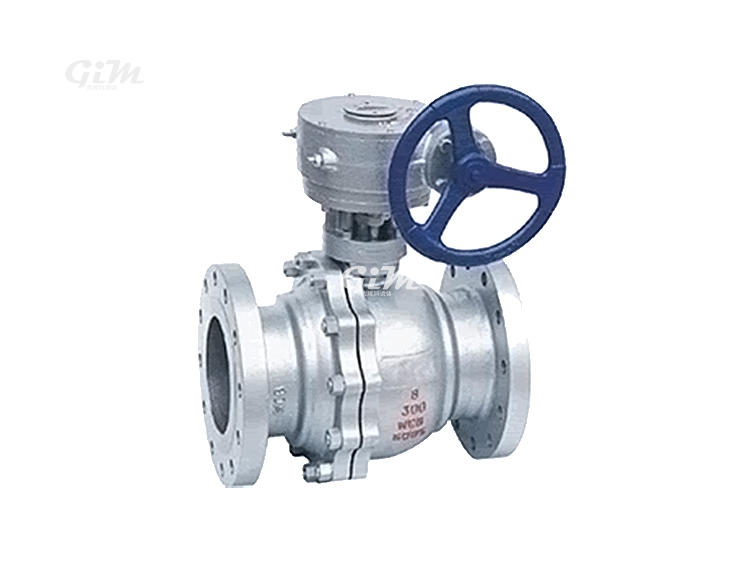
Worm Gear Operated Ball Valve
- Flange Diameter: DN15-500 (mm)
- Pressure Range: 1.0-2.5 MPa
- Flow Passage Type: Straight-through
- Structure Type: Floating Ball Valve
- Applicable Temperature: ≤200°C
- Applicable Media: Water, oil, steam, and non-corrosive media.
Get Quotes
- Support Customization
- Two-Year Warranty
- Global Shipping
- Multiple Payment Methods
Overview
Worm Gear Operated Ball Valves are designed for precise control and reliable operation in various industrial applications. By integrating a worm gear mechanism, these ball valves allow for easier manual operation, especially in large-diameter or high-pressure systems, by reducing the force required to open or close the valve.
Product Features
- Design and Construction:
- Ball Valve Structure: These valves feature a spherical ball with a central bore, which controls the flow of fluid. The valve opens or closes by rotating the ball 90 degrees, offering quick and efficient flow control.
- Worm Gear Mechanism: A worm gear is mounted onto the valve’s stem. The gear system translates rotational movement from a handwheel into the movement required to open or close the valve, allowing for easier operation, particularly on larger or higher-pressure valves.
- Body Materials: Available in a variety of materials, such as stainless steel, carbon steel, or alloy steel, to handle different media, from corrosive fluids to high-temperature applications.
- Operational Performance:
- Precise Control: The worm gear mechanism allows for gradual and precise control over the valve’s position, making it ideal for applications requiring fine adjustments.
- Reduced Torque Requirement: The worm gear mechanism reduces the amount of force required to operate the valve, making it easier to open and close large or high-pressure valves manually.
- Bidirectional Flow Control: These valves offer bidirectional flow control, meaning they can effectively control the flow in either direction.
- Pressure and Temperature Ratings:
- Pressure Rating: Available in pressure ratings typically ranging from PN16 to PN100, making them suitable for a wide range of industrial applications.
- Temperature Range: Depending on the body and seat materials, these valves can handle temperatures ranging from -40°C to 500°C.
- Applications:
- Oil and Gas: Used in upstream, midstream, and downstream operations for controlling the flow of oil, gas, and other hydrocarbons.
- Chemical Processing: Ideal for controlling corrosive fluids in chemical plants, where precise flow control is essential.
- Water Treatment: Commonly used in water and wastewater treatment facilities for controlling large volumes of fluid with minimal effort.
- Power Plants: Suitable for high-temperature and high-pressure systems in power generation facilities, where reliable and durable valves are required.
- Advantages:
- Ease of Operation: The worm gear system reduces the force required to operate the valve, making it easier for operators to control even large-diameter or high-pressure valves.
- Durability: The robust construction of the valve body and ball ensures long-term durability, even in harsh or corrosive environments.
- Accurate Positioning: The gear system provides greater control over the valve’s position, allowing for precise flow regulation.
- Low Maintenance: Designed for long service life with minimal maintenance, especially in automated or semi-automated systems where reliability is crucial.
- Types of Worm Gear Operated Ball Valves:
- Full Bore Ball Valve: Provides unrestricted flow, making it ideal for applications requiring minimal pressure drop.
- Reduced Bore Ball Valve: Has a smaller bore compared to the pipe diameter, suitable for applications where some restriction in flow is acceptable.
- Trunnion Mounted Ball Valve: The ball is supported by trunnions, which reduces the torque required to operate the valve, making it ideal for high-pressure applications.
- Actuation Options:
- Manual Worm Gear: Operated by hand, using a worm gear to reduce the effort needed to open or close the valve.
- Automated Gear: Worm gear valves can also be automated using electric or pneumatic actuators, offering remote or automatic control over the valve’s operation.
- Installation and Maintenance:
- Installation: Can be installed in various orientations and is available with different connection types such as flanged, threaded, or welded ends.
- Maintenance: The gear mechanism and valve seats should be inspected periodically to ensure smooth operation, especially in high-use or high-pressure environments. Worm gear systems generally require less frequent maintenance compared to manual levers.
Conclusion
Worm Gear Operated Ball Valves provide an efficient and user-friendly solution for controlling flow in a variety of industrial applications. Their ease of operation, durability, and precise flow control make them a preferred choice in industries such as oil and gas, chemical processing, water treatment, and power generation. The gear-operated mechanism significantly reduces the torque required to operate the valve, making it ideal for large or high-pressure systems where manual operation could otherwise be challenging.
Request a Quote
Get a personalized quote for this product "Worm Gear Operated Ball Valve"
Fill in your details and we will respond with the best price and availability
Related products
-
-
3-Way Electric Ball Valve Female Threaded, FNPT Ends
- Nominal Diameter: DN15~100mm
- Nominal Pressure:PN16,PN25,etc
- Valve Body:SS304/SS316/SS316L
-
-
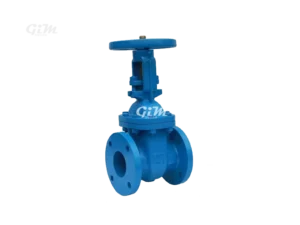
Cast iron wedge gate valve
- Size: 1/2″~48″, DN15~DN1400.
- Pressure: 150LB~2500LB, PN10~PN420.
- Material: Cast Iron.
- Standard: GB, API, ASTM, ANSI, JIS, BS Standards